Grieving the Loss of a Pet
 Our pets are part of our family. According to the 2021-2022 APPA National Pet Owners Survey, 90.5 million homes — that’s 70% of U.S. households — own a pet. Some people underestimate the role these precious creatures play in our lives. I had cats most of my life and losing one never gets easier. The grieving process is the same. Their unconditional love is a powerful force in our lives. For me they provide comfort and remind me every time I walk through the door, I’m home in my safe place. A sense of comfort comes over me. Pets provide so much comfort that is understandable that losing them can be emotionally devastating. Instead of me telling you about the emotional process that I went through when I lost my pets, I found a great article published by Cleveland Clinic. It explains the grieving process and provides some helpful information as to move through this difficult process with love and support.
How To Grieve The Loss of A Pet — Cleveland Clinic
I sincerely hope that this provides some comfort for anyone who has recently loss a beloved pet.
Remember, pets are family!
Music heals — check out our oldies station Edgewater Gold Radio. Listen from our Edgewater Radio app in the Apple Store or the many many apps that carry Edgewater Gold Radio. Listen from our website, Edgewater Gold Radio.com.
Join Amazon Kindle Unlimited 30-Day Free Trial

Is Your Dog a Door Dasher?
 I’ve seen dogs in our neighborhood quickly dash out the door as their owners are frantically trying to call them back in. Has this happened to you? There are some ways to teach your dog to stay put. Preventivevet.com provides a simple process that anyone can follow but the key is persistence.
This process simply takes some patience and consistency on your part.
Step 1: At every door, ask your dog to sit. This can be done with a verbal cue of “Sit”, prompting them to sit with a hand signal or lure, or just waiting until they offer a sit on their own. If it is a door with outdoor access, have your dog on a leash for safety. In my video example below, my foot is through the loop of the leash.
Step 2: Once they sit, start to slowly open the door. Don’t open it too quickly or too wide; start easy!
Step 3: If they move out of their sit, the door closes (the consequence of moving too soon = they lose what they want). Help them reset back into the sit position and try again, making it easier this time by not opening the door as wide or waiting too long before release.
Step 4: If they can hold that sit for a couple of seconds as you start to open the door, say “okay!” and allow them to go through the doorway with you. This is their big reward! Lots of verbal praise and petting is great, too, if your dog enjoys it.
Step 5: Slowly increase the amount of time your dog has to wait, and the amount you open the doorway as they hold their Sit and Stay before releasing with your “okay!”
Remember, pets are family!
Enjoy our oldies station 24 hours a day! Edgewater Gold Radio! Ask Alexa to “play Edgewater Gold Radio” or listen from our website, Edgewater Gold Radio.com.
Join Amazon Kindle Unlimited 30-Day Free Trial
Beach Rules for Our Furry Friends In Rehoboth Beach

two dogs retrieving the same stick on the beach
Here are the rules for the beach areas.
It is illegal for dogs to run at large at any time. The City has both a leash law and a pooper scooper law which are enforced. Dogs are prohibited from the beach and boardwalk from May 1 through September 30, but are allowed on the beach in Dewey Beach (just south of the RB Boardwalk) before 9:30am and after 5:30pm. They must still be on a leash and have a Dewey Beach Dog License. Dogs are allowed in the state parks. You may want to visit Cape Henlopen State Park in Lewes or Delaware Seashore State Park south of Dewey Beach.
As the weather gets warmer, enjoy the time with your best friends just be sure to obey the rules!
Remember, pets are family!
Listen to our oldies station, Edgewater Gold radio! Ask Alexa to “play Edgewater Gold Radio” or listen from our website, Edgewater Gold Radio.com.
Join Amazon Kindle Unlimited 30-Day Free Trial
The Proper Weight For Your Cat
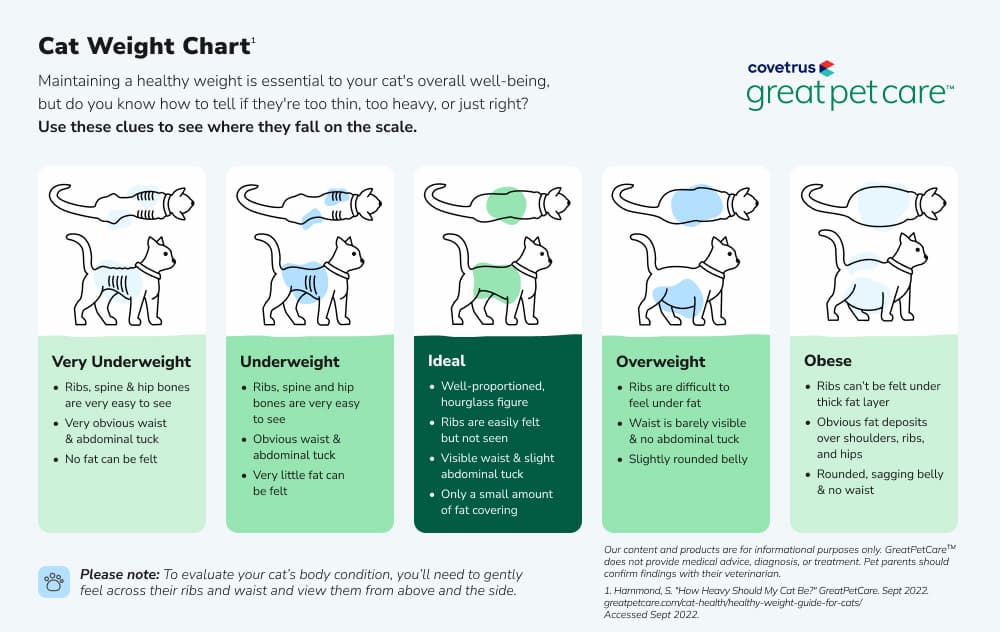
 We always worry when our cat loses weight. Some cats go up and down as far as weight goes but significant weight loss can signal a medical problem. In general an average house cat should weigh about 10 pounds. A Maine Coon cat can weigh 24 pounds and this is perfectly normal while a Persian cat can weight 8 pounds and that is considered normal and healthy.
The following chart provided by Great Health Care.com shows images of cat weight at different stages. If you notice a drop in your cat’s weight, consult a veterinarian.
Remember pets are family!
Enjoy the greatest oldies of all time on Edgewater Gold Radio. Real oldies variety! Listen on the many apps that carry us or from our website, Edgewater Gold Radio.com.
Join Amazon Kindle Unlimited 30-Day Free Trial
Keeping Your Elderly Pet Comfortable
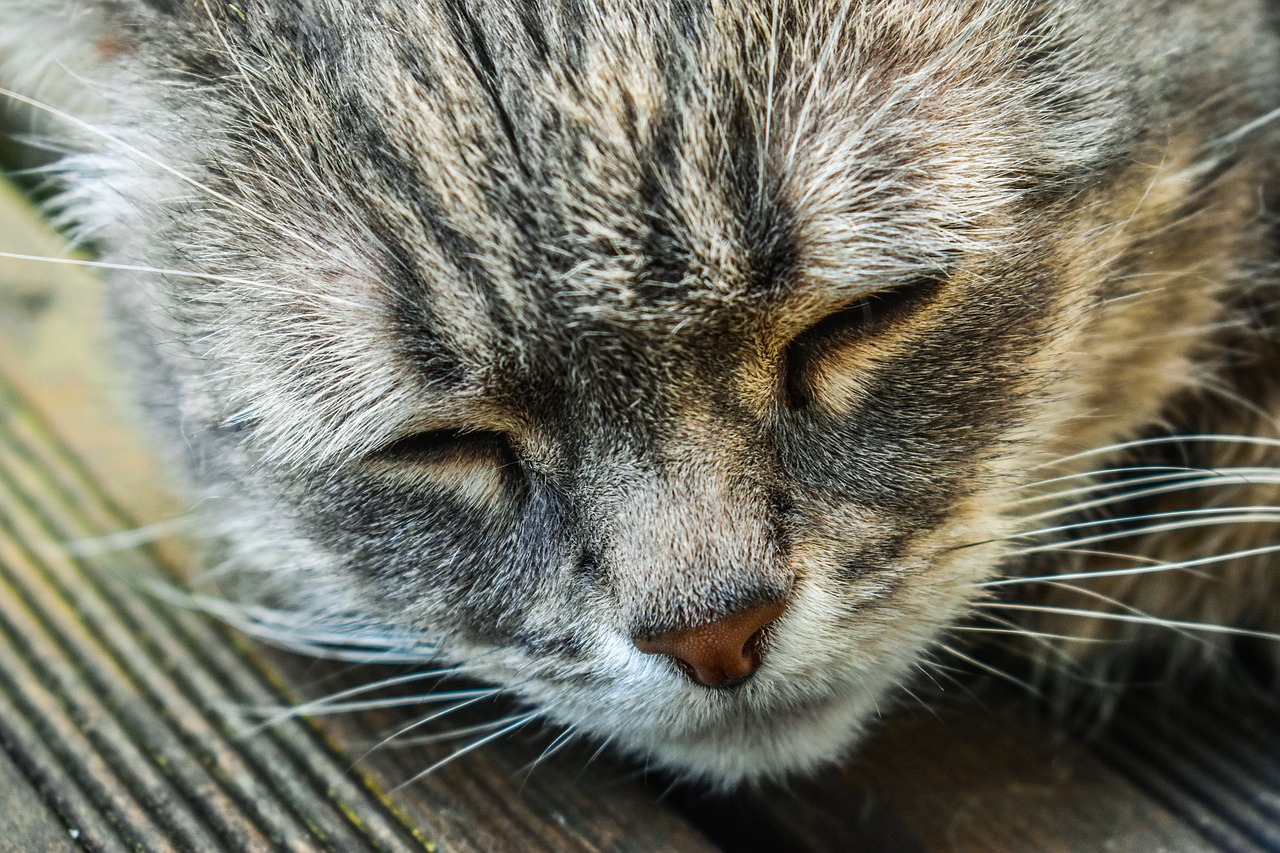 Our cat Millie is 19 years old and is generally very content and comfortable. She vomits more now then sh did when she was younger but returns to normal quickly after vomiting. We just want to keep her safe, cozy and comfortable in her senior years. Now some may disagree what I’m about to say. As long as Millie is comfortable, we are choosing not to take her to the vet when she vomits or has some diarrhea. Why? you may ask. The answer is simple, as long as she is not suffering, I would rather her stay in her home where she is comfortable. Poking, prodding, tests etc. at this age, would probably not do anything except cost you, scare and hurt your pet and not do anything to stop her age progression. Now let me be clear, if there is something other that normal aging, like violent vomiting, coughing up blood, agitation, then I still would recommend taking your pet to the vet as soon as possible. It is obvious that she is suffering.
Unfortunately, we can’t “fence time” and stop the aging process but we can provide love, care and comfort for our aging pets.
Remember, pets are family!
Keep your oldies playing all day. Download our new Edgewater Radio app from your Apple store, Listen online from our website, Edgewater Gold Radio.com.
Join Amazon Kindle Unlimited 30-Day Free Trial
Protecting our Pets in a Car Accident
 A few years ago a friend of a friend of mine was driving on the Long Island Expressway with his two dogs. He was side swiped by a truck. The front windshield was shattered and the car was totaled. Miraculously, neither he or his smaller dog was injured seriously. The smaller dog remained in the car. His larger dog, got so terrified, that it leaped through the shattered windshield and began running down the Long Island Expressway. If anyone knows the L.I.E. you know that it is always loaded with tons of traffic and lots of trucks! The man got out of the car, took his smaller dog and began running down the highway to look for his larger dog. What a horror!! The good news is that he did finally catch up with his dog who was still very scared and all three quickly got out of this awful situation. When he got back to his car, the cops were there wondering why he left the vehicle. Who cares!! As long as he and the dogs were safe.
How could we protect our dogs and cats in the event of an accident? It’s always much safer to keep them in their cat or dog crate but lots of dogs love riding in the car with their owners. I would then recommend, getting them a dog harness that’s called a “roadie.” You can get them from ruffrider.com. They work like a seat belt and strap your dog in and restrain him. I would always recommend either the crate or the harness. Drive safely all the times, especially if you have children or pets with you!
Remember, pets are family!
The best oldies are always play on Edgewater Gold Radio.
Join Amazon Kindle Unlimited 30-Day Free Trial
Help Stop Animal Cruelity
 One of the most disturbing things is to me is when humans mis-treat our precious pets. Animal abuse exists and our precious pets can’t speak for themselves. A few weeks ago, a house full of mistreated dogs was found in a town near us in Delaware. The dogs were lying in their own feces, crowded into one room and literally dying in that house. Luckily the situation was taken care of. The animals were removed, treated and most are now up for adoption.
How do we stop these very sick individuals? If you notice or suspect animal cruelty or neglect, you should act right away. For Dog fighting or cockfighting call Phone: 1-877-TIP-HSUS. For general complaints, call Phone:1-877-645-5847. Report animal cruelty to the ASPCA. You can also contact the Humane society.
If you see something, say something.
Remember, your pets count!
Enjoy the greatest oldies all the time on our oldies station, Edgewater Gold Radio. Listen on one of the many apps or from our website, Edgewater Gold Radio.com.
Join Amazon Kindle Unlimited 30-Day Free Trial
The Advantage of Brushing Your Cat
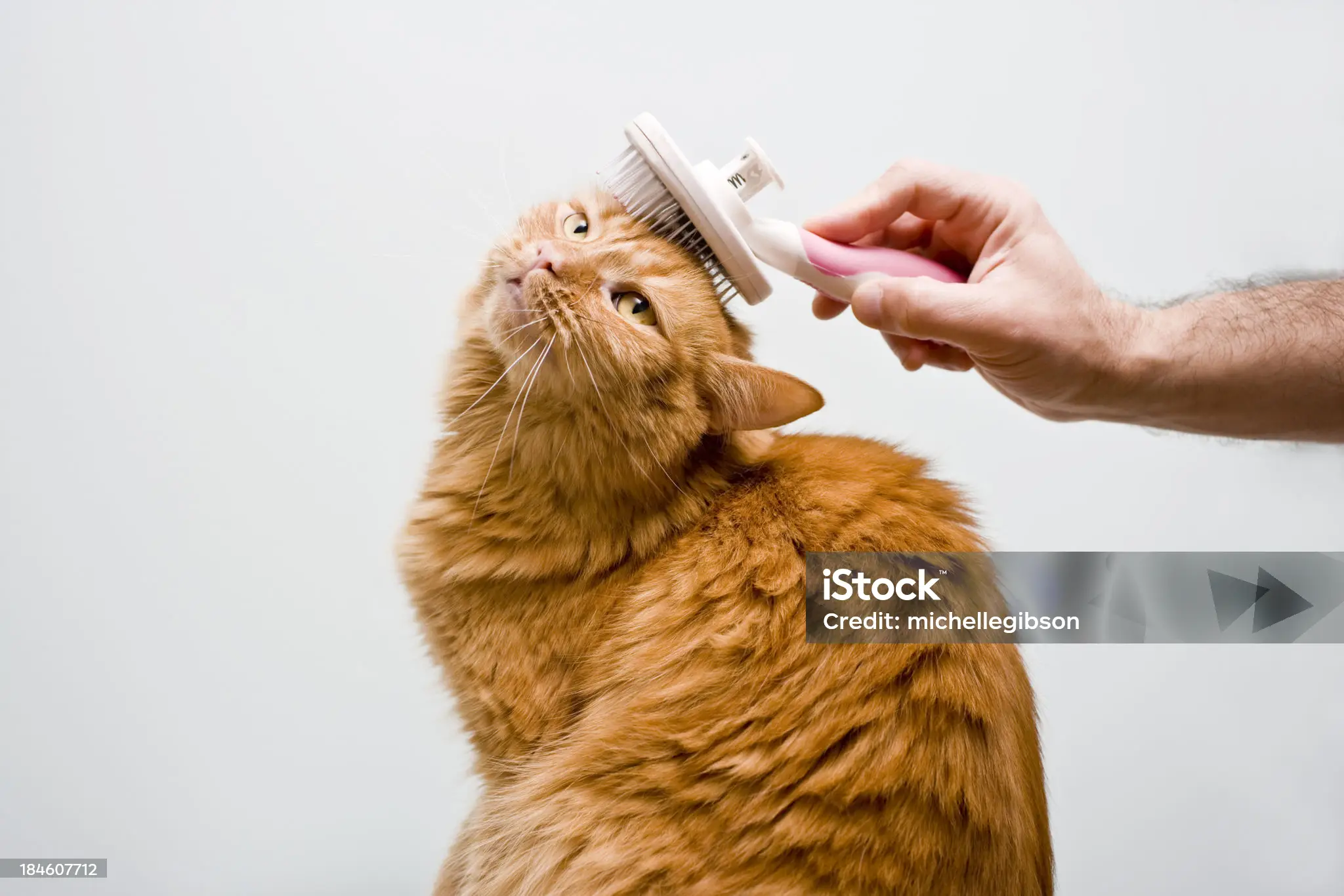 Sometimes cats don’t know what’s good for them. With the exception of my older cat, most cat don’t like being brushed. My cat loves to be brushed and actually waits for me everyday to brush her. When it comes to grooming, , all cats by nature are very fastidious. Most of them prefer to groom themselves. Healthy cats spend hours each day grooming and washing.
It’s recommended that long haired cats be brushed and combed once per day. If you have a short haired cat, a weekly brush will do fine. One of the reasons for brushing, is to remove the loose hair which could prevent hairballs. Regular brushing also keeps their skin and hair in good condition. Brushing removes dirt and help tangles from forming. It also helps spread the natural oils on the cats skin. If your cat goes outdoors or on the porch, regular brushing could remove any insects that may have gotten on your cats coat.
So brushing your cat is healthy and useful but don’t expect your cat to see it that way. Just give her a treat or two after brushing to keep her happy!
Remember, pets are family!
It’s the best music on the radio. All oldies all the time on Edgewater Gold Radio or listen from our website or the many apps that carry us. Edgewater Gold Radio.com.
Join Amazon Kindle Unlimited 30-Day Free Trial
The Comfort of Our Pets
I’m continually bombarded with all kinds of depressing, scary information coming from all directions. You can turn on the TV and see the atrocities, the stupidity, the politically twisted evil and lies being hurled at us 24 hours a day. Every day I pray for a glimmer of hope, a ray of goodness and the hope that so many very very lost people see the light and see through the misinformation that is being spewed on social media and morally starved Cable news stations whose only purpose is to pledge loyalty to one criminally fraudulent individual and to spread lies to lure very empty viewers to tune in so they can make money and more money! Sound depressing? It is and it’s getting worse.
There is one little light that always shines in my home. Our little 19 year old cat Millie. Every time I walk through the door and see her on the chair waiting for one thing, love, a pet and soft words telling her how much she means to us. Her unconditional love cuts through the dark clouds and depressing times that drag us to the bottom. She makes our home a cozy, safe place where we can blot out this very dark disturbing world. She is the shining star, the ray of hope and it all comes from one little innocent animal that asks for nothing but unconditional love.
Treasure our precious pets. You need them more than you know!
Remember, pets are family!
Music also lifts spirits. Enjoy great oldies on Edgewater Gold Radio. The music that makes you feel good!
Join Amazon Kindle Unlimited 30-Day Free Trial
Checking for a Sensitive Stomach in Cats
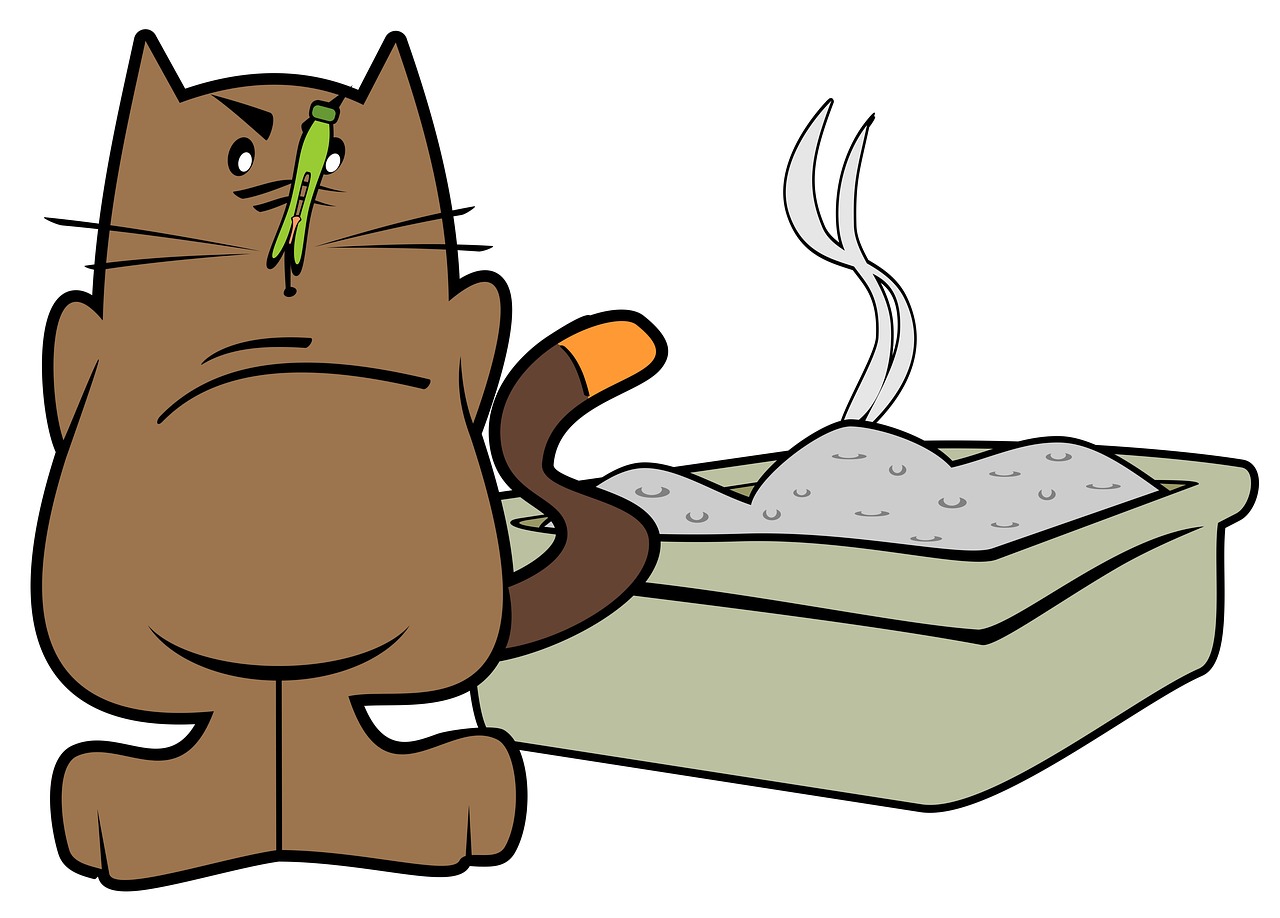 It sometimes could be difficult to determine whether or not your cat has a sensitive stomach. The first thing that you should do is to look at is his litter box. Is it more messy than usual? Does he have diarrhea? Is he vomiting? Did you recently change his diet? I would then get him checked out by a vet to rule out any serious health issues. If it’s determined that your cat has a dietary intolerance, then your vet will recommend a food that’s highly digestible. Your veterinarian might recommend a low-residue food.This which works by providing a special blend of fiber, protein and fat sources.
Make sure that you pay attention to your cats entire digestive system, not just his stomach. This includes intestines, mouth, esophagus, gums and teeth. Tooth decay, bad breath and gum disease could also contribute to this problem. Your vet will recommend that you take care of your cats teeth by brushing them regularly.
When you do find a diet that your cat will tolerate, make sure that you stick to it.
Remember, pets are family.
Enjoy the greatest oldies of all time on Edgewater Gold Radio! Ask Alexa to “play Edgewater Gold Radio” or listen from our website, Edgewater Gold Radio.com.
Join Amazon Kindle Unlimited 30-Day Free Trial